Table of Contents
AdvertisementCleveland Facility is a non-profit academic medical. Advertising on our website aids sustain our goal. We do not endorse non-Cleveland Facility items or solutions.
Anxiety is different in that it lingers almost every day for at the very least 2 weeks and entails various other symptoms than sadness alone. There are a number of types of depressive conditions. Depression, or significant depressive problem, is usually just called "anxiety." It's one of the most serious type of depression. Without therapy, anxiety can become worse and last longer.

The signs are less extreme than major depressive disorder. Health care providers used to call PDD dysthymia.: DMDD causes chronic, intense irritability and constant rage outbursts in children. Symptoms typically start by the age of 10.: With PMDD, you have premenstrual disorder (PMS) symptoms in addition to mood symptoms, such as severe irritation, anxiety or depression.
If you're able to deal with the underlying condition, the depression generally enhances. There are also particular forms of major depressive condition, consisting of:: This is a form of major depressive disorder that normally arises during the fall and winter season and goes away throughout the springtime and summer.: Prenatal depression is clinical depression that occurs throughout maternity.
Why Choose Specialized Psychodynamic Therapy within Multiple Issues
The DSM refers to these as "significant depressive problem (MDD) with peripartum start.": Signs and symptoms of this condition, additionally called significant depressive problem with irregular functions, vary somewhat from "regular" depression. The major difference is a temporary mood enhancement in reaction to positive events (mood reactivity). Other key symptoms consist of raised appetite and being rejected sensitivity.
Anxiety can influence anyone including kids and adults. The following problems are connected with greater rates of clinical depression: Clinical depression is usual.
adults around 1 in 6 people will experience depression eventually in their lifetime. Scientists believe that these estimates are reduced than fact, as several individuals don't seek clinical help for signs and symptoms of clinical depression and don't receive a diagnosis. About 4.4% of youngsters in the USA have depression.
Processing Depression via Psychodynamic Therapy Treatment
The treatment advised will certainly be based on the type of clinical depression you have. If you have much less extreme (moderate) depression, the adhering to therapies might be advised.
Your GP may recommend trying directed self-help to see if it can assist with your depression. You'll usually have 6 to 8 sessions where you work through a workbook or on-line program, with support from a therapist.
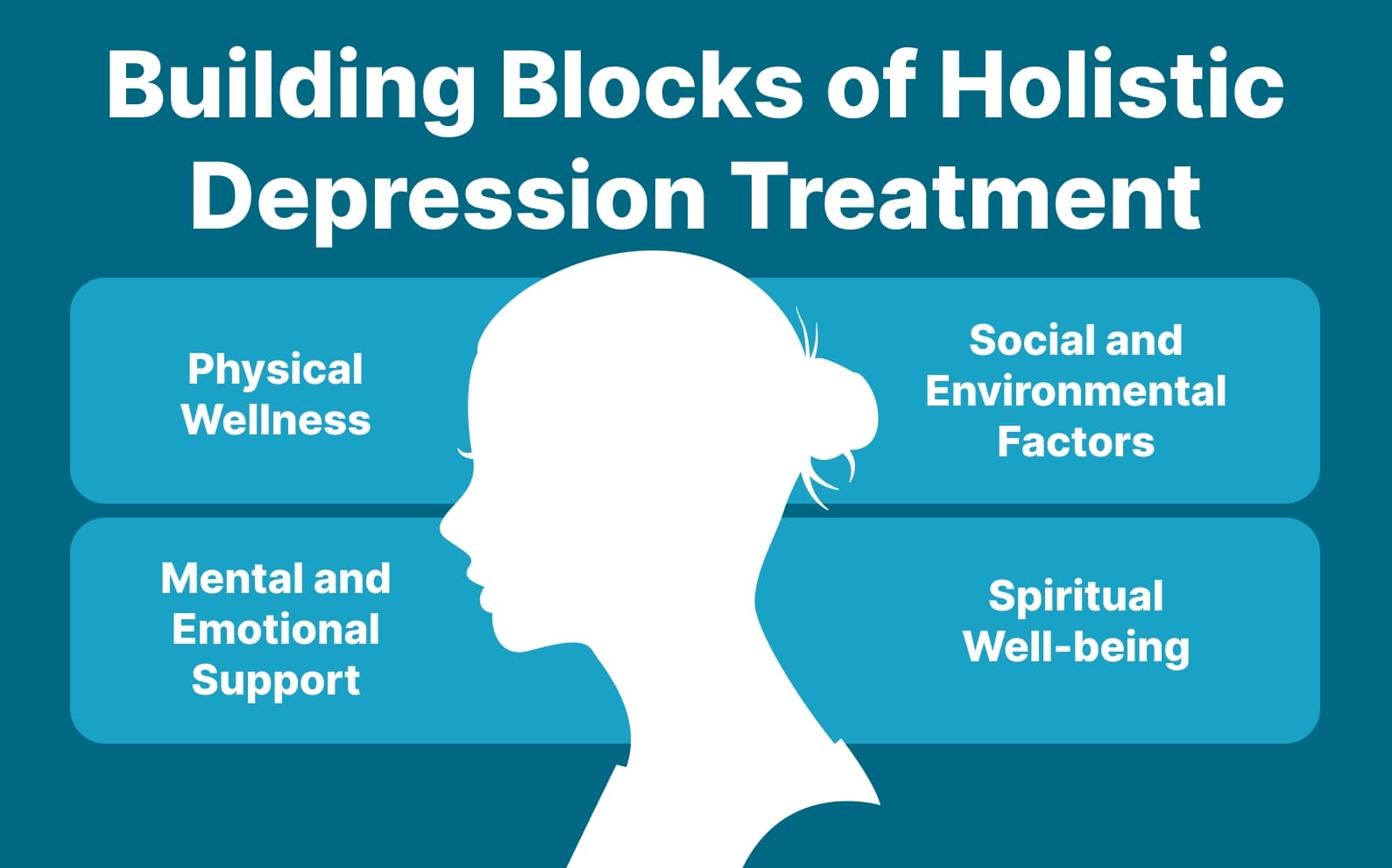
There's evidence that workout can help depression, and it's one of the main treatments for moderate anxiety. You may be referred to a team workout class that's created to help with clinical depression.
Creating Real Identity In Affirming Psychodynamic Therapy
A general practitioner can refer you for talking treatments, or you can refer on your own directly to an NHS speaking treatments service without a recommendation from a GP. If you have more extreme depression, which includes modest or serious clinical depression, the adhering to treatments might be advised. Antidepressants are medications that deal with the signs of anxiety.
They need to be suggested by a physician, typically for clinical depression that's modest or extreme. A GP may suggest that you take a training course of antidepressants plus speaking treatment, particularly if your clinical depression is quite severe. A combination of an antidepressant and CBT normally works much better than having just among these therapies.
These groups usually give extensive professional talking treatments along with prescribed medication. Cognitive behavioural therapy (CBT) intends to help you understand your ideas and behavior, and just how they impact you. CBT identifies that events in your past might have formed you, however it focuses mainly on just how you can transform the method you assume, feel and behave in today.
Celebrating Plural Systems Within Neurodiversity-Informed Psychodynamic Therapy
CBT is readily available on the NHS for individuals with clinical depression or any type of various other mental health issue it's been revealed to assist. If CBT is advised, you'll generally have a session with a specialist as soon as a week or once every 2 weeks. This may be a team session or an individual session.
They can refer you for local talking therapies for anxiety. Waiting times for speaking treatments can be several weeks or months.

Computer animated video clip describing self-referral to chatting therapies services for stress and anxiety, stress and anxiety or anxiety. There are numerous various kinds available. The majority of individuals with modest or extreme anxiety advantage from antidepressants, yet not everyone does.
How Your Psychodynamic Therapy Journey Centers Personal Agency
Side effects vary between different treatments and individuals. When you begin taking antidepressants, you need to see a General practitioner or expert nurse every week or 2 for at the very least 4 weeks to assess how well they're functioning.

Navigation
Latest Posts
Clinical Studies on Psilocybin
Treatment Outcomes using Psilocybin
Selecting the Ideal Evaluator for Adult Assessment Services in San Jose, CA